
High-Temp Ovens and Pipe Wrapping: Choosing PTFE Belts by Application
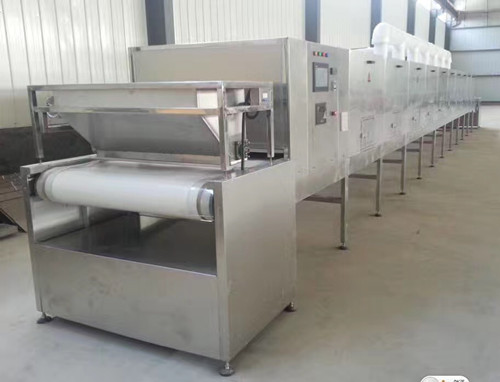
PTFE belts do far more than convey material through dryers. They also play an important role in high-temperature oven linings and transport, insulation wrapping for hot pipes, and food baking. Each duty makes different demands, so copying one specification everywhere rarely works. This article looks at each scenario in turn.
1. Belts for high-temperature ovens
Oven tunnels run hot and continuously, so the belt must withstand prolonged high temperature while staying dimensionally stable and resisting deformation. Belts made for ovens are designed with stronger substrate, temperature headroom and edge treatment to cope with long travel and constant heat. When selecting, confirm the actual oven temperature, belt load and running speed, and check that the joint type suits the equipment.
2. Cloth for hot pipe wrapping
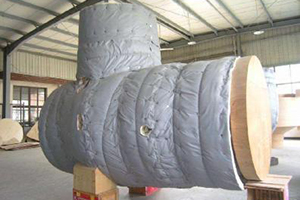
On pipes, flanges and valves, PTFE wrapping cloth provides insulation, non-stick protection and splash resistance. Compared with rigid insulation, flexible cloth conforms easily to irregular shapes, is simple to install and resists material build-up on its surface. Here flexibility, heat resistance and corrosion resistance matter most — judge them together with pipe temperature and the surrounding environment (oil or chemical contact).
3. Food baking applications
- Oven liners and baking tray liners:The non-stick surface reduces adhesion, making release and cleaning easier.
- Coffee roasting fabric:Used for carrying and separating during coffee roasting and drying.
- Baking conveyor belts:Supports product on continuous baking lines and keeps a flat surface.
For food-contact uses, confirm suitability against the relevant industry regulations and supplier documentation, paying attention to cleanliness and migration behaviour. This article is not a specific compliance commitment.
4. Common principles for selection and maintenance
- Set the temperature range and duty first:Establish the long-term working temperature and whether oil or chemicals are present, then choose the material direction.
- Then set width and construction:Size the width to the equipment and decide on seamless or perforated construction according to how it runs.
- Allow enough safety margin:Do not run temperature or strength right at the limit.
- Maintain properly:Clean regularly and check edges and joints, avoiding scratches from sharp objects.
MITAI supplies oven belts, hot pipe wrapping cloth, oven liners, coffee roasting fabric and a full range of PTFE belts, serving the food, chemical, composites and equipment manufacturing industries. For application-specific selection, get in touch.